Foundation repair
When a block foundation cracks or a slab edge drops, we find out why first, because patching a crack that's still moving just buys you a second repair.
AJ West Palm Beach Concrete & Masonry is a masonry contractor based in West Palm Beach, working in the Village of Palm Springs on mortar repair, block and brick walls, pavers, walkways and stone for homeowners.
Palm Springs runs as its own village, so the permits and contractor registration for a job here go through the Village of Palm Springs rather than West Palm Beach. We're based in West Palm Beach and work across the cities around it, including Lake Worth Beach and Westgate. In the Village, most of what we're called for is at homes, like a block wall around a yard, a paver driveway that's settled or mortar crumbling out of a brick planter.
What moves the price here is the size of the job, how much old block, brick or mortar has to come out first and the material you pick, and what moves the schedule is whether a permit's needed and the weather. Your own figure comes from the estimate, once I've seen the job. Rain shapes most of what we do in the Village. The long-term records kept in West Palm Beach, outside the Village, put the wettest months in June, August and September, so in summer we plan fresh mortar and concrete around the afternoon storms and build drainage into walls and paver bases, because trapped water is what usually undoes masonry here.
I ran schedules for a busy construction company before starting this business in 2017, and showing up on the day we planned is what we're best known for.
If your job turns out smaller than you feared, or bigger, I'd rather tell you at the estimate than have you find out halfway through with a wall half torn down.
The masons on your job are our own, so the plan I give you at the estimate is the same plan they build from once work starts.
When a block foundation cracks or a slab edge drops, we find out why first, because patching a crack that's still moving just buys you a second repair.
A cracked crown, the concrete cap on top, or open joints near the top let rain into a chimney, so we rebuild what's failing and seal the top properly.
When brick joints have gone soft and uneven, we cut them out and refill them with matched mortar and a crisp finished line, so the wall reads clean again.
Cracked or loose bricks get cut out and replaced with the closest match we can find, after we've worked out whether water or movement caused the damage.
Paver driveways settle when the base is thin, so we dig out, pack the base in layers and set a solid edge that keeps the pavers from creeping apart.
Water trapped behind a retaining wall is what pushes it over, so we build drainage stone and an outlet in with the wall from the first course.
For older brick or stone that's stained, cracked and patched over the years, we start with what's structural, then clean, repair and repoint, and we'll tell you what can wait.
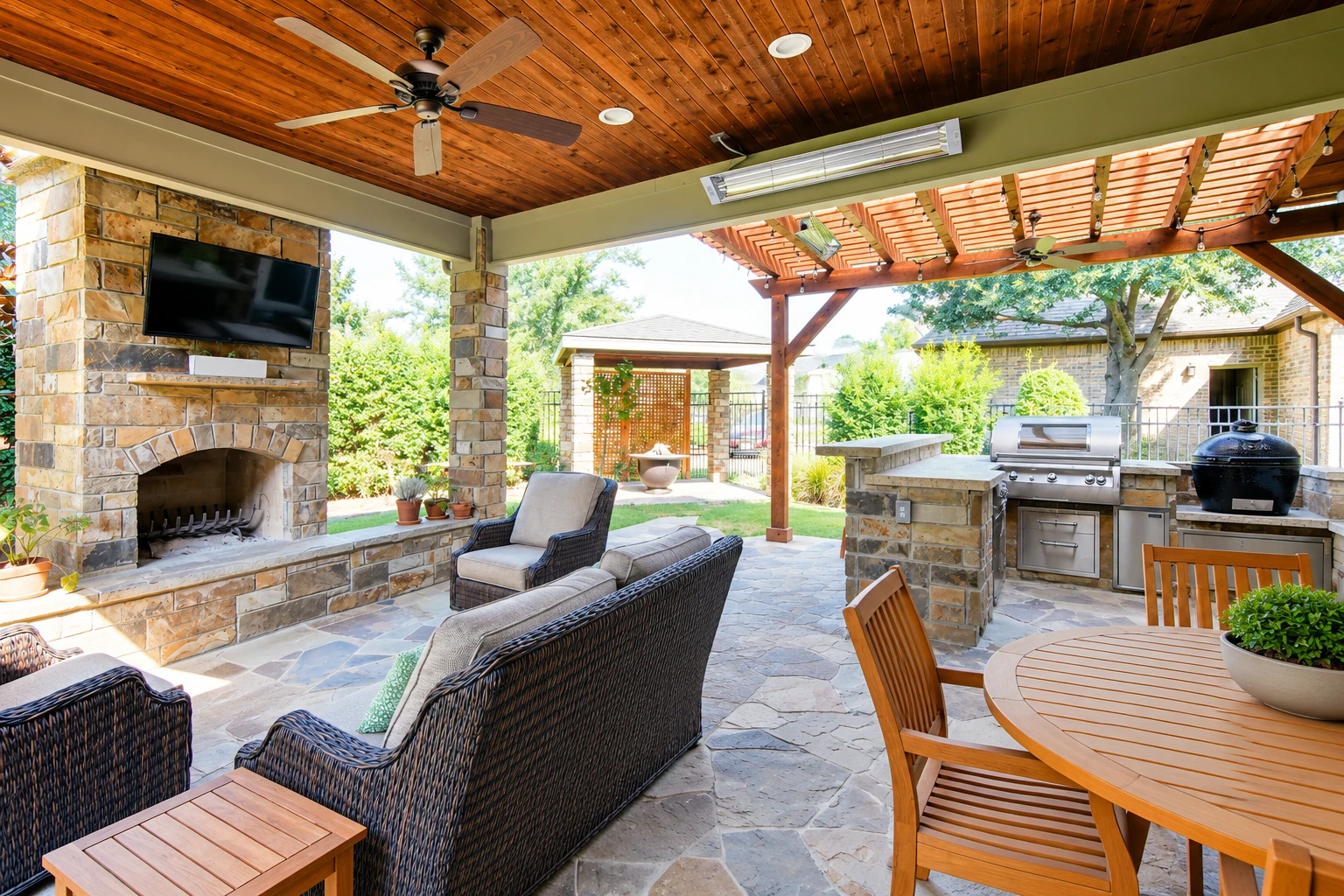
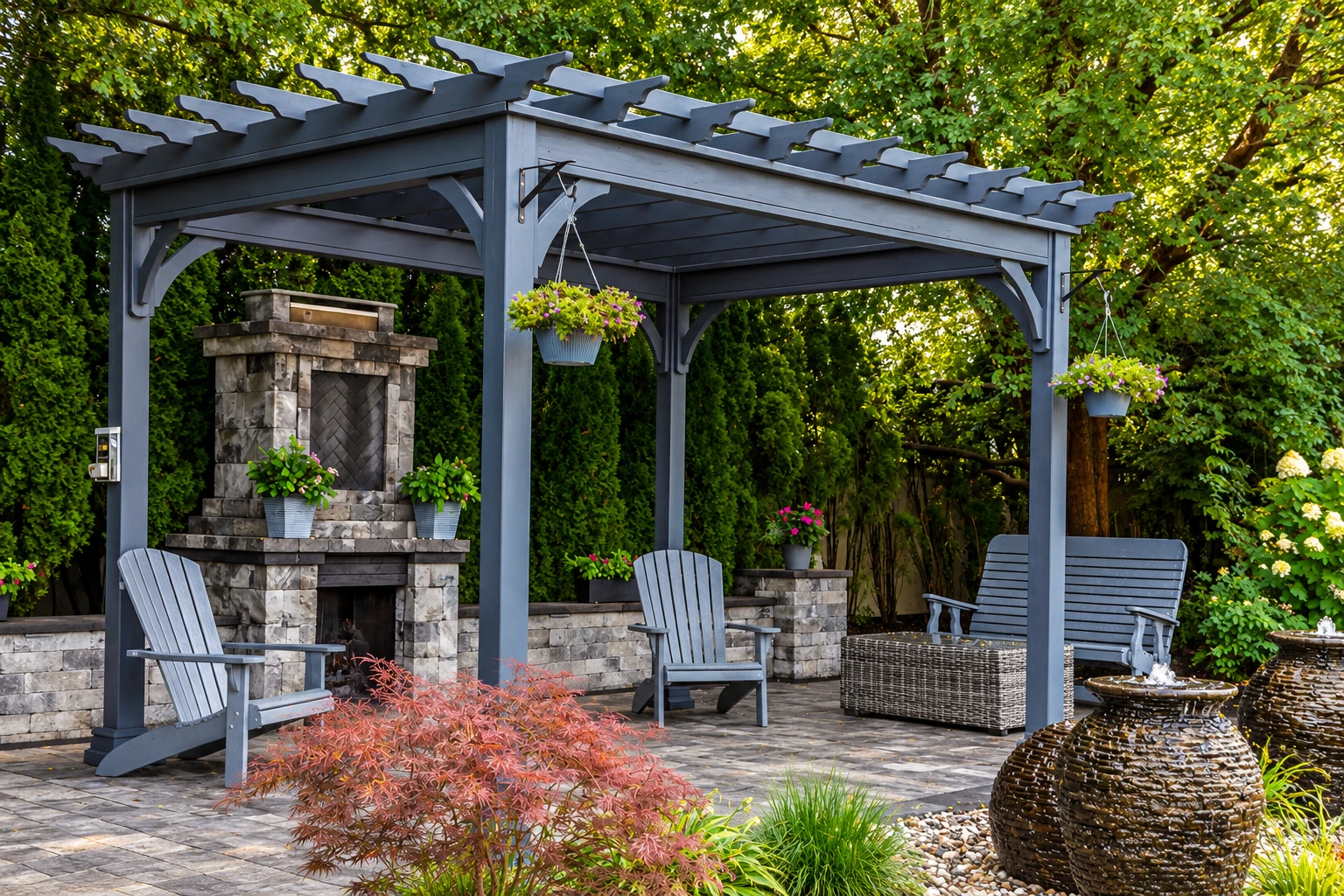
We build masonry fireplaces for the living room or the patio, each on its own footing, because a fireplace weighs more than most patio slabs are made to carry.
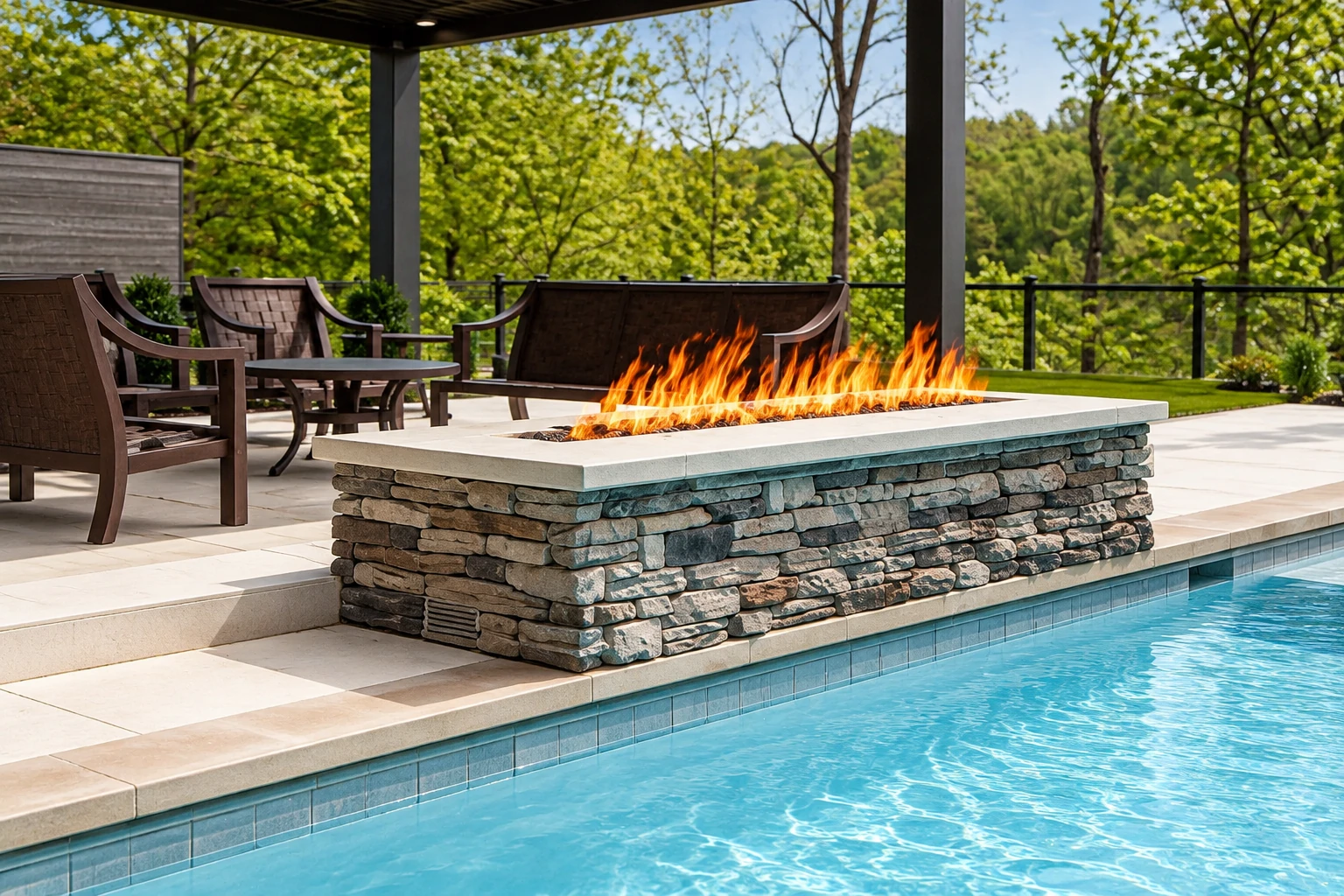
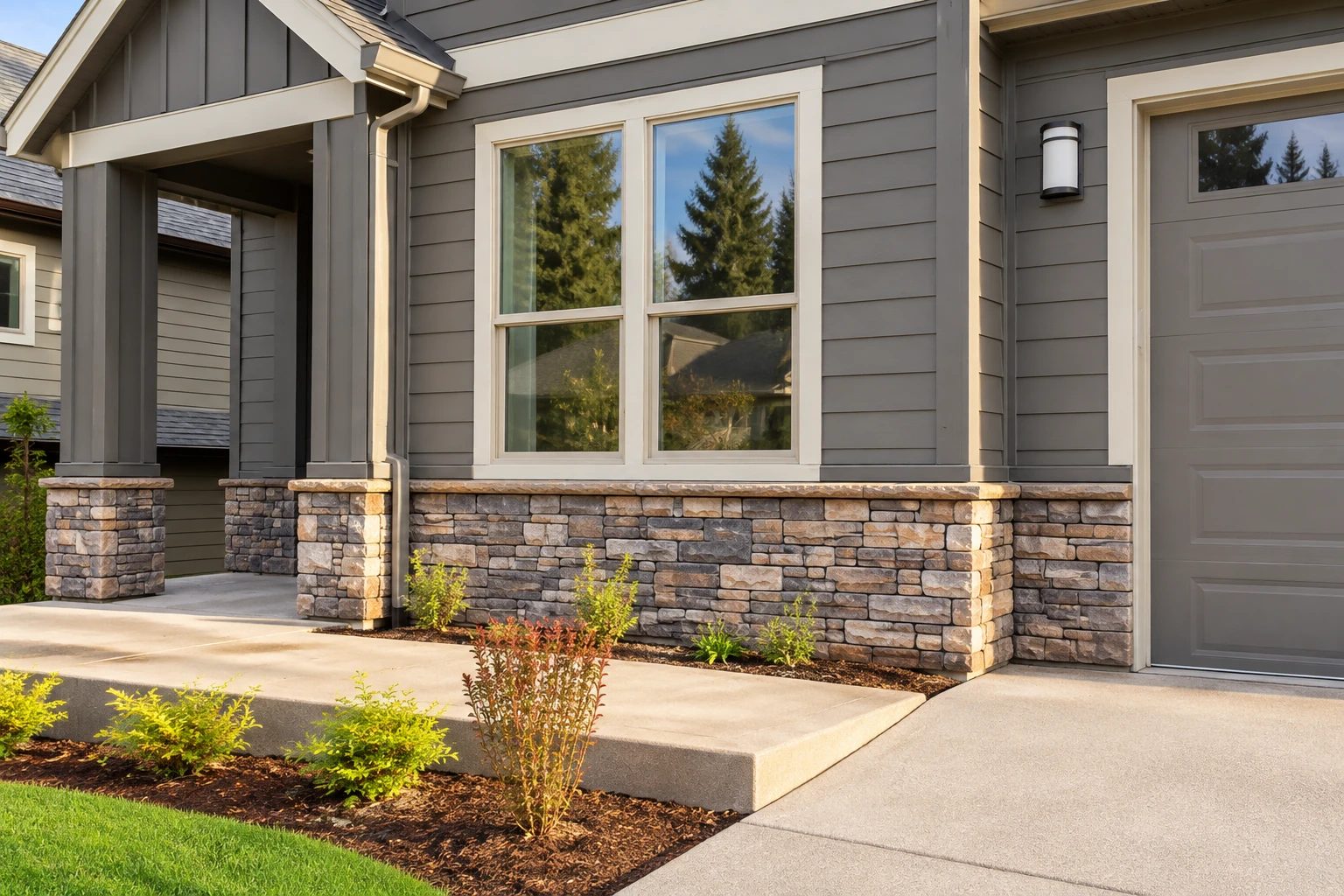
We set stone veneer on house fronts, columns and planters, and we prep the surface behind it first, because veneer only holds as well as what it's bonded to.
Block privacy and garden walls go on a poured footing, with steel and grout in the cells where the wall needs it, then stucco or paint to match your house.
For additions and new structures, we lay the block foundation walls square and level on the footing, because every row of block above carries any mistake made at the bottom.
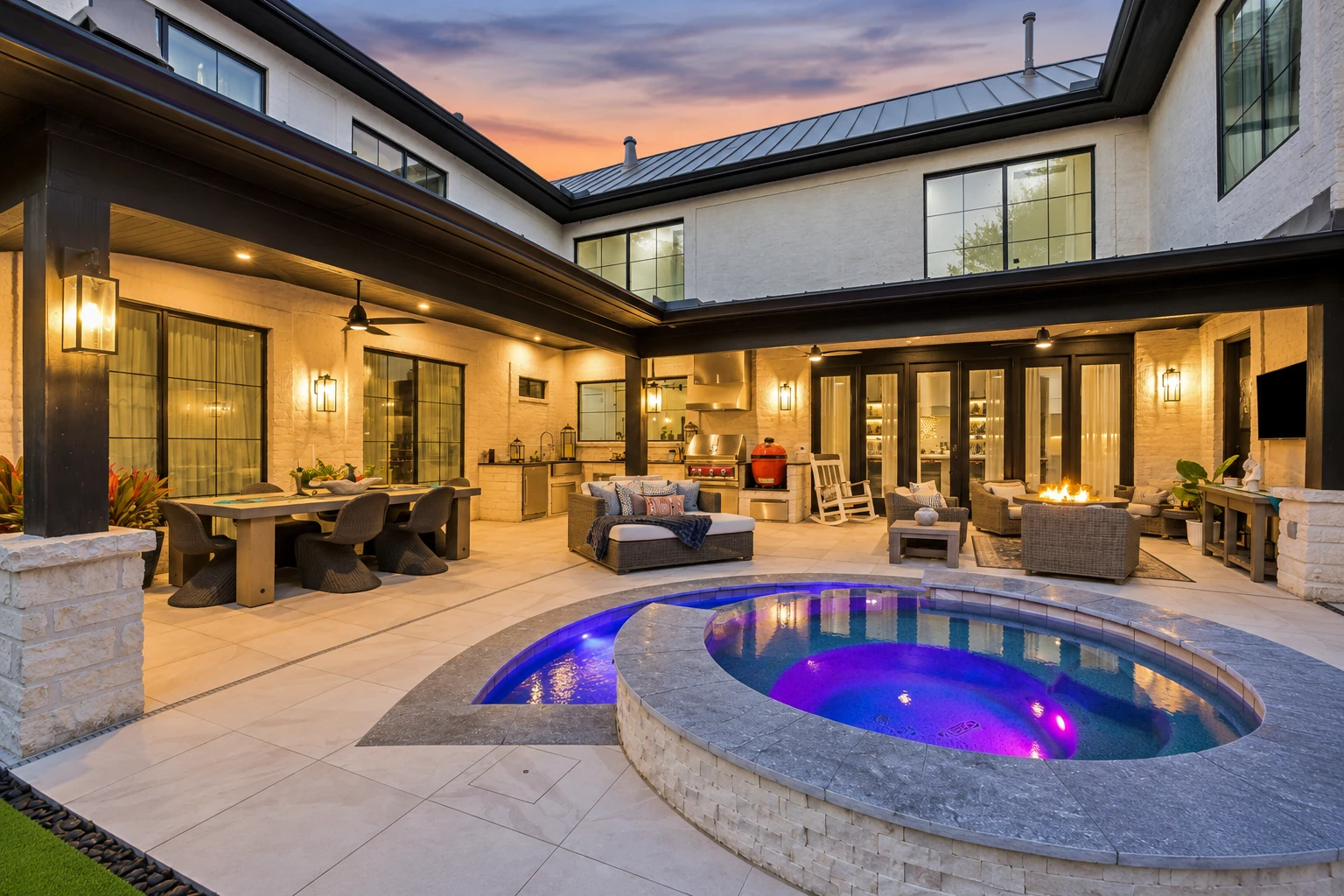
We build the block base and the stone or brick facing for outdoor kitchens, and leave the openings your grill and sink need so nothing gets cut in later.
We build brick, paver and stone walkways on a packed base with a slight pitch, so rain runs off to the side instead of puddling at your front step.
New brick walls start with a footing sized for their height and end with a cap that sheds rain, since water coming in from the top wears a wall down.
We lay natural stone for walls, steps and columns, fitting each piece on site, which takes longer than block but gives you a wall that looks built, not stacked.
When mortar crumbles out of the joints on a planter or wall, we grind out the loose mortar and repoint the joints, so rain runs off instead of soaking in.
Send the form and we'll get back to you within one business day to set a time. I come out myself, look at the job and give you the estimate, free and with no obligation.
I look at the actual wall, driveway or chimney, because a crack or a sunken paver tells you a lot more in person than it does in a photo.
You get the estimate and decide when you're ready. If part of the job can wait, I'll say so, and you can plan the rest for later.
We're licensed and fully insured, which is worth asking any contractor about before work starts, and the job is backed by our satisfaction guarantee.
Here's what homeowners in the Village usually ask before a wall, driveway or repair job, starting with permits and who's allowed to do the work.
The Village's Planning, Zoning & Building Department issues building permits, including for structural repairs to a damaged home, and the Village says to apply before you make those repairs. Every application has to be notarized by both you and the contractor, no matter how small the job. When your job needs a permit, we check with the department, pull it and set up the inspections.
Yes, the Village requires contractors in state-licensed trades to register before they start work or pull permits, and a business working in the Village from an office outside it also needs a Village business tax receipt. A state certified license is good anywhere in Florida, while a registered one only counts where the holder has a certificate of competency.
The Village uses the 2023 Florida Building Code, so that's what a permitted masonry job here gets checked against. For most homeowners it shows up at inspection, when an inspector looks at things like footings and the steel in a block wall. We plan the work to that code from the start, so the inspection isn't where we first find out about a problem.
You may, and the Village is where to find out, because the department has an application for fence and driveway approval on its forms and applications page. Whether a new paver driveway needs it, or a permit, is the department's call. We check with them before we dig, so you're not finding that out after the pavers are down.
Besides Palm Springs, these are the cities with their own page on our site. They aren't the only places we work, so if yours isn't listed, call (561) 220-1584 and ask.
Call (561) 220-1584 until 10 PM on weekdays and 11 PM on weekends, or send the form, and we'll find a time to look.