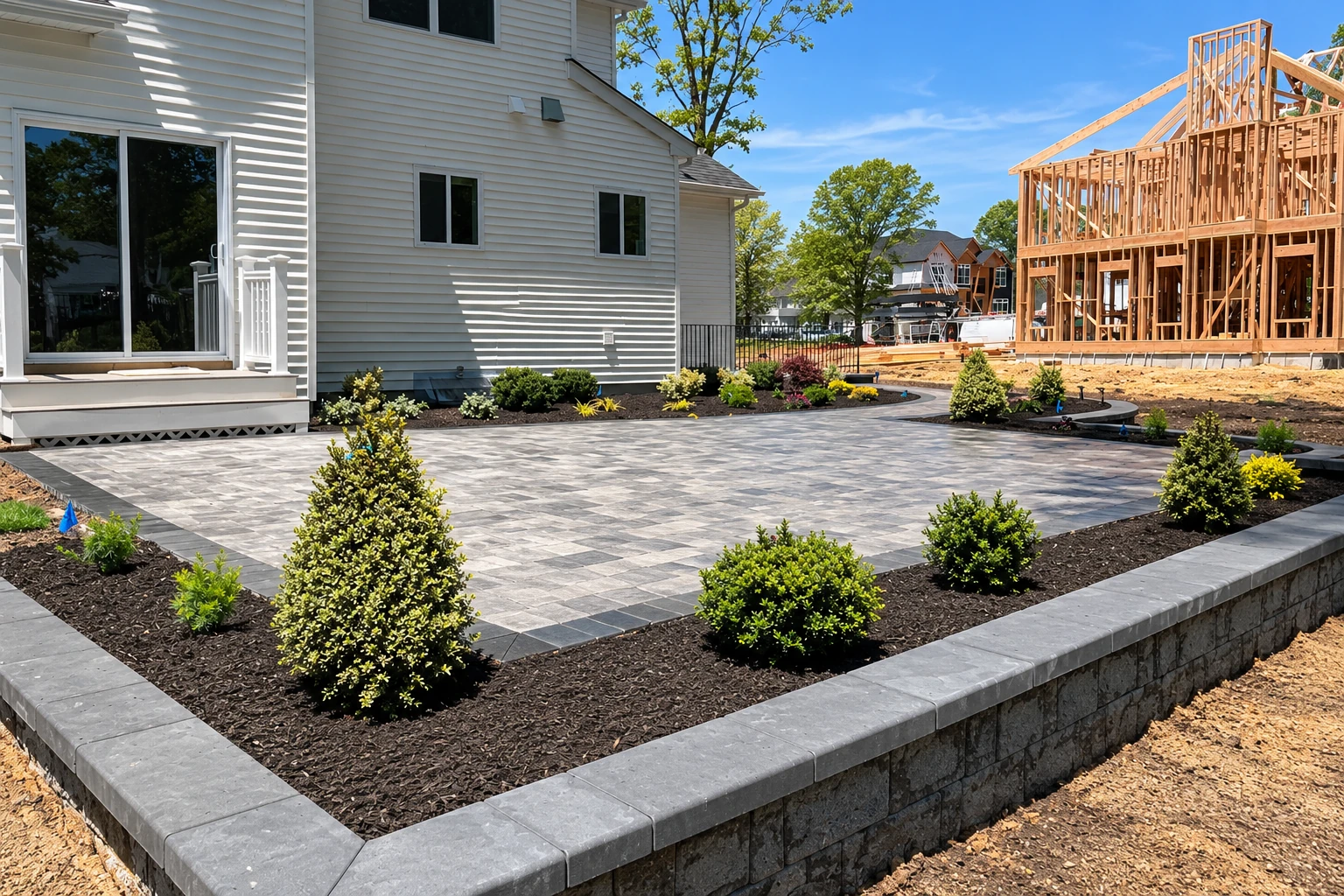
Foundation repair
Cracks in a slab or block foundation wall usually trace back to water or settling in sandy soil, so we find the cause before we patch what you can see.
AJ West Palm Beach Concrete & Masonry is a masonry contractor working in Palm Beach Gardens. We repair foundations, block walls and mortar joints, and build paver driveways, walkways, stone veneer and outdoor kitchens for homes across the city.
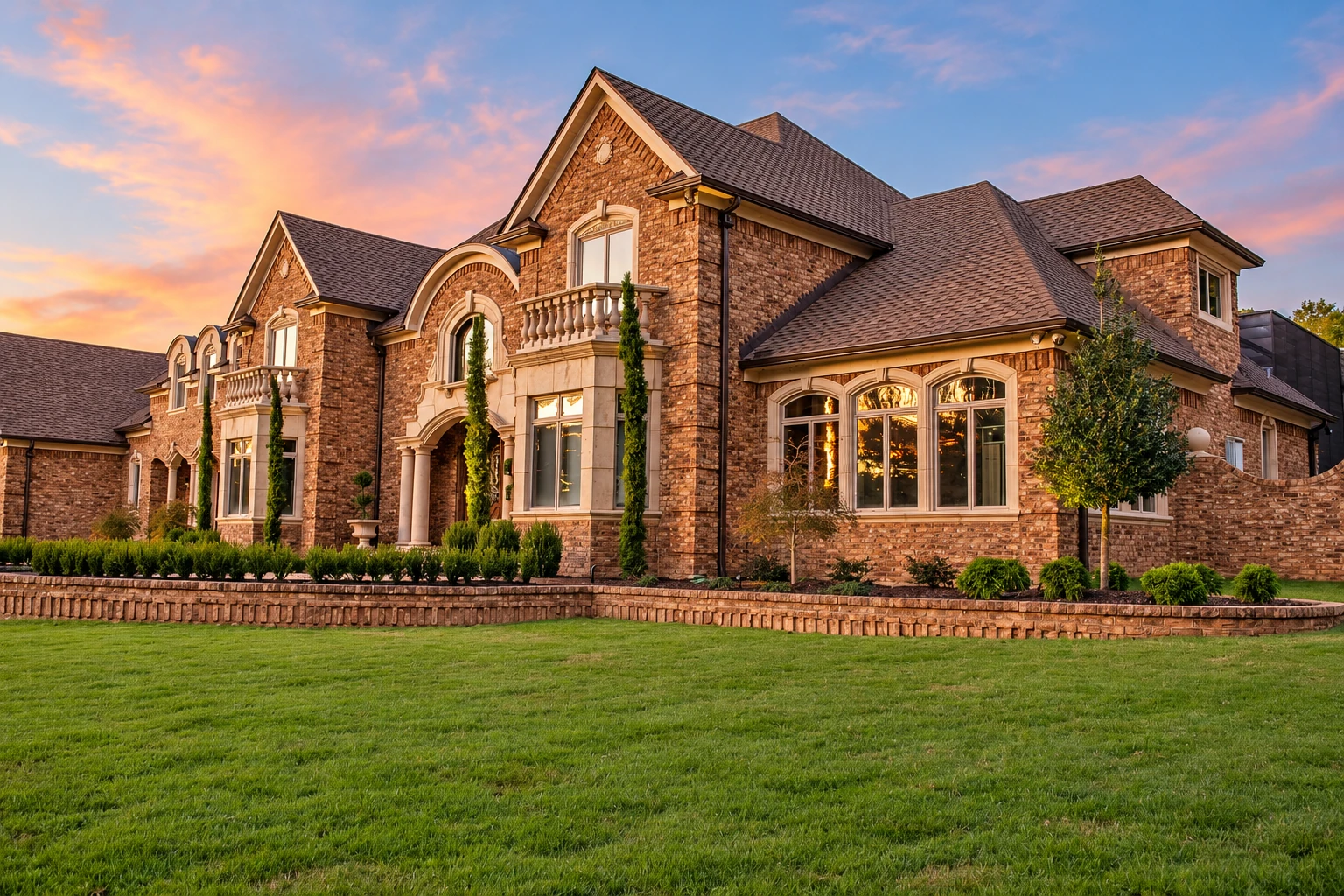
Palm Beach Gardens is mostly residential, with planned neighborhoods, golf course communities and gated streets, and shops and offices along the main roads. We do the same work here that we do up in North Palm Beach and down in Boynton Beach. The price moves with how far the damage runs once it's opened up, the material you pick and how easy the spot is to reach. The schedule turns on the permit, your association's sign-off if your community has one, and the weather. At the estimate I'll tell you up front whether the job is smaller than you feared or bigger.
Most houses we see here are concrete block with stucco, sitting on flat, sandy ground that stays wet through the rainy season. That's why the calls are usually settled pavers, cracked garden walls and joints letting water in, and why we look at the base and the drainage before anything else.
When your job needs a permit, we check with the city's Building Department, pull the permit and set up the inspections, so paperwork doesn't stall the work halfway through.
Before we start, you hear what's wrong, what it'll take and what can wait, because I'd rather you know now that a job is bigger or smaller than find out halfway.
The masons on your job are ours, and showing up on the day we planned is what we're known for, because I've seen what a blown schedule does to a homeowner.
Cracks in a slab or block foundation wall usually trace back to water or settling in sandy soil, so we find the cause before we patch what you can see.
Chimneys here take more rain and summer storms than fire, so we look for loose brick, cracked crowns and open joints that let water into the house.
On the brick accents and garden walls we see here, we grind out worn mortar and pack in a matched mix so the joints shed the summer rain.
When brick on steps, planters or entry columns cracks or its face flakes off, we cut out the bad units and set new ones matched in size and color.
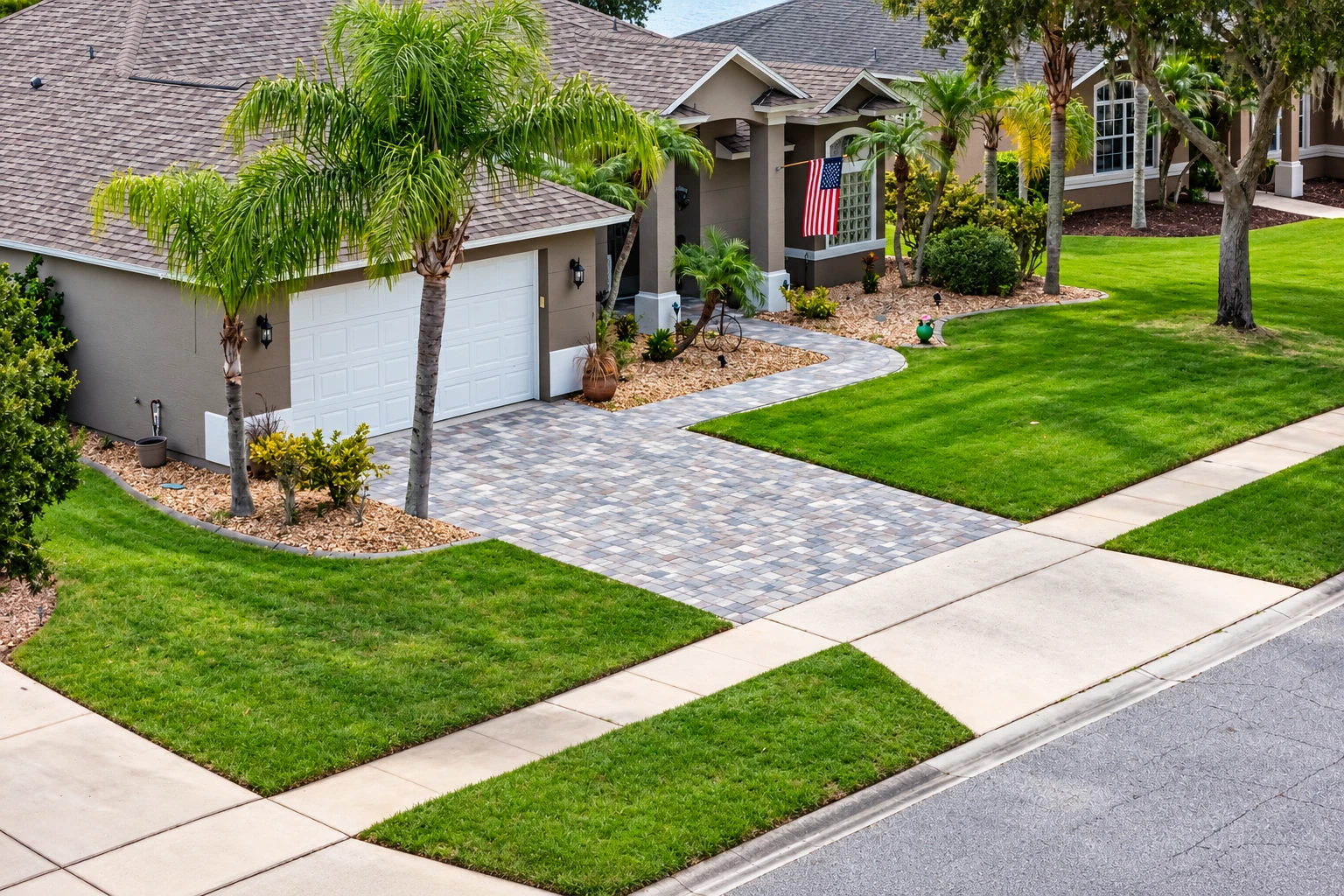
Paver driveways here often sink where the sand base washes out in heavy rain, so we dig to firm ground, pack a proper base and lock the edges before laying.
The ground is mostly flat, so retaining walls here usually hold back raised beds, pool decks and lake banks, with drainage behind them so water doesn't push them over.
On the city's older homes, we clean, repair and repoint tired brick and stone so it reads like the original work, not a patch in a different mortar.
Many fireplaces we build here go outside on a patio or lanai, set on a proper footing with a firebox and flue sized so the smoke draws up and away.
Stone veneer over block or stucco needs a proper backing and a way for water to get out, so we prep the wall before a single stone goes on.
Privacy and garden walls here go up in concrete block on a poured footing, with steel and filled cells where the wall needs them, then stucco to match the house.
For additions and raised floors, we lay the block foundation wall square and level on its footing, because every course above it inherits any mistake below.
Outdoor kitchens by the pool get a block base on a slab, with openings framed for the grill and sink and a top that stands up to sun and rain.
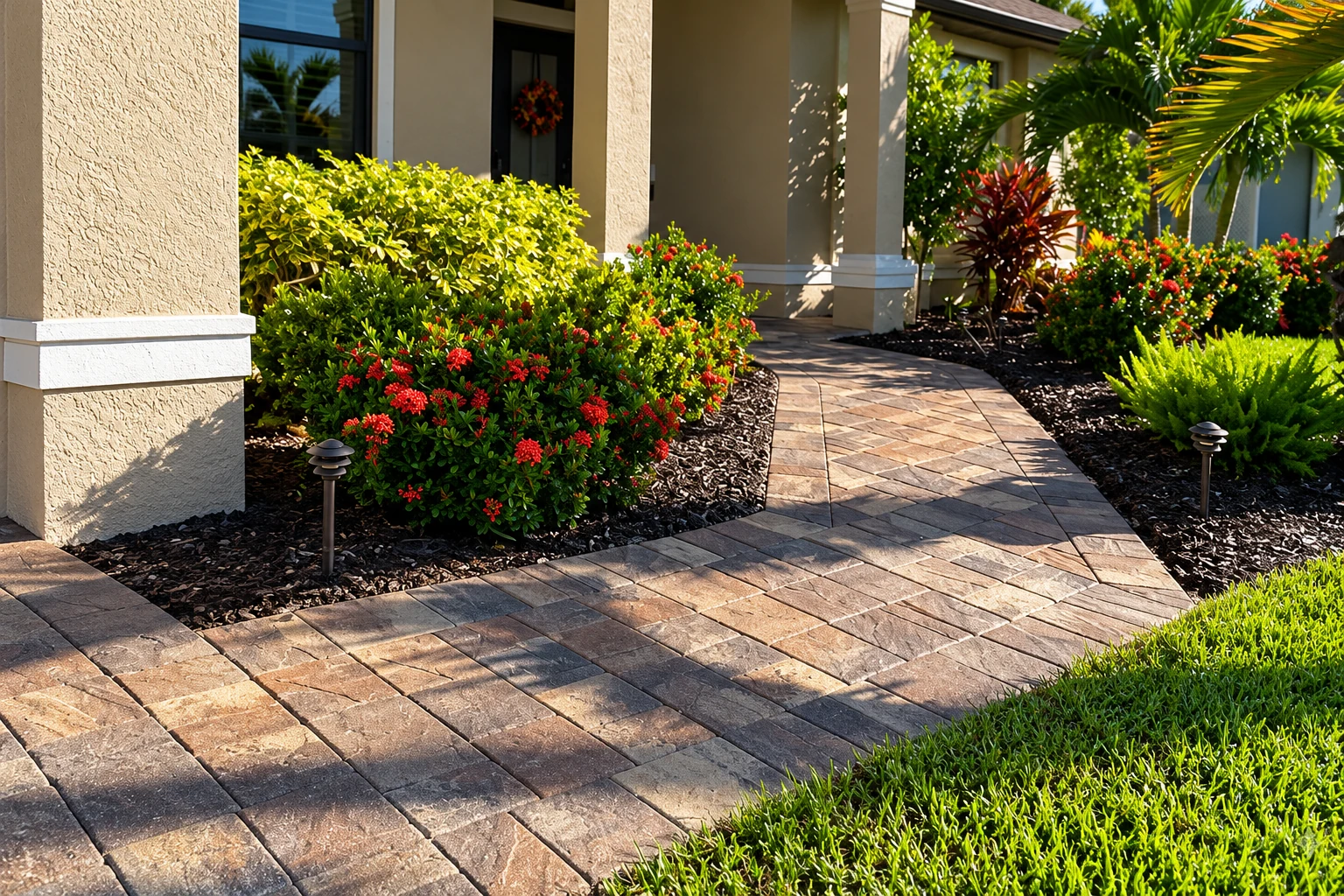
We build paver, brick and stone walkways from the driveway to the door or around the pool, pitched slightly so rainwater runs off instead of standing.
Brick garden and entry walls get a footing below the soft topsoil and joints tooled tight, so the wall stays straight and sheds the afternoon storms.
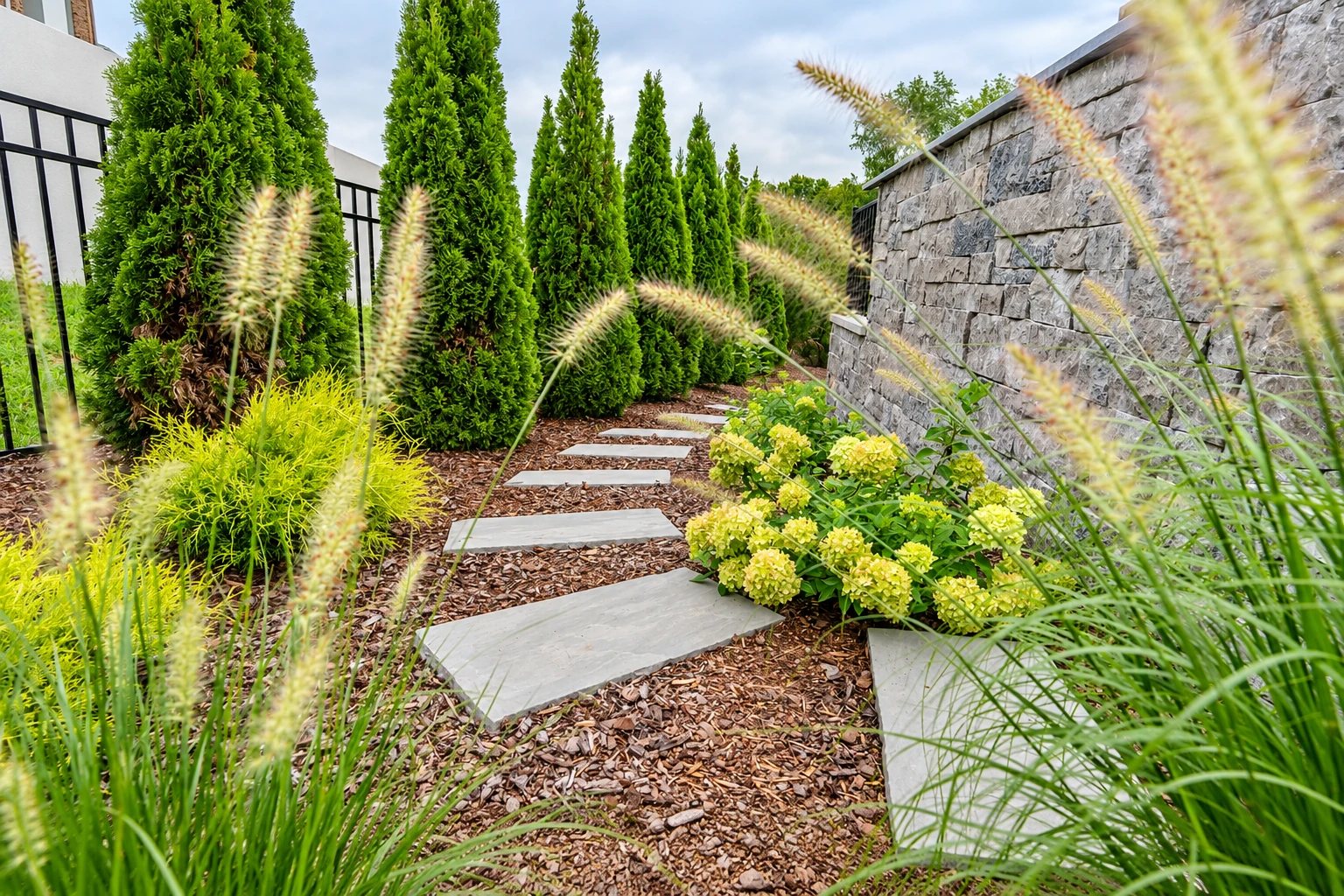
Natural stone for columns, steps and accent walls gets sorted and fitted by hand, so the pattern looks laid, not stacked, and every stone sits on a solid bed.
When only a few joints are cracked or missing, we point just those with matched mortar, so you fix the leak now and plan the rest for later.
Send the form and we'll get back to you within one business day to set a time, then I'll come out, look at the job and walk you through the estimate.
I come to your property to see the wall, the driveway or the joints in person, because a photo can't show how deep a crack runs or what's under a paver.
The estimate is yours to keep and compare, and if you'd rather wait on the parts that can wait, or not go ahead at all, that's fine with us.
We're licensed and fully insured, and our work is backed by our satisfaction guarantee, so you know who stands behind the job before it starts.
Straight answers on the permits, licenses and flood zones that come up before masonry work starts in Palm Beach Gardens.
Often, yes. The city issues building permits for most construction, remodeling or repair work, and its list names structural changes and additions or alterations to buildings, though not every masonry job by name. If you're unsure about a wall or a driveway, the Building Services line at 561-799-4210 answers permit questions, and we check before any work starts.
The city can stop the job. Work without a required permit breaks the state building code and city rules, and if it begins before the permit is issued, the owner, the contractor or both can face enforcement, including a stop-work order until the right permits are in place. That's why we wait for the permit on any job that needs one.
Sometimes. The city says most projects must be done by a licensed contractor, but owners who qualify as owner-builders can apply for certain permits. If you go that route, you take on full responsibility for the work and for meeting code. When we take the job, the permit and the inspections are ours to handle.
In most cases, yes. The city requires a Business Tax Receipt from anyone doing business in Palm Beach Gardens, contractors included, and it runs through September 30 each year. Palm Beach County requires its own receipt from anyone selling services in the county, so it's fair to ask any contractor you're weighing whether both are current.
They may have changed yours. The city says FEMA released new flood zone maps, and some residents are now in higher-risk zones than before. You can check your address on the city's FEMA flood maps page before planning a wall, a driveway or foundation work, and I'll look at how water moves across your lot when I come out.
These are the cities with their own page on our site. If yours isn't listed, call (561) 220-1584 or use the form and ask, since we work across the cities around West Palm Beach.
Call (561) 220-1584 or send the form early, so if your job needs a permit we can pull it before work starts.